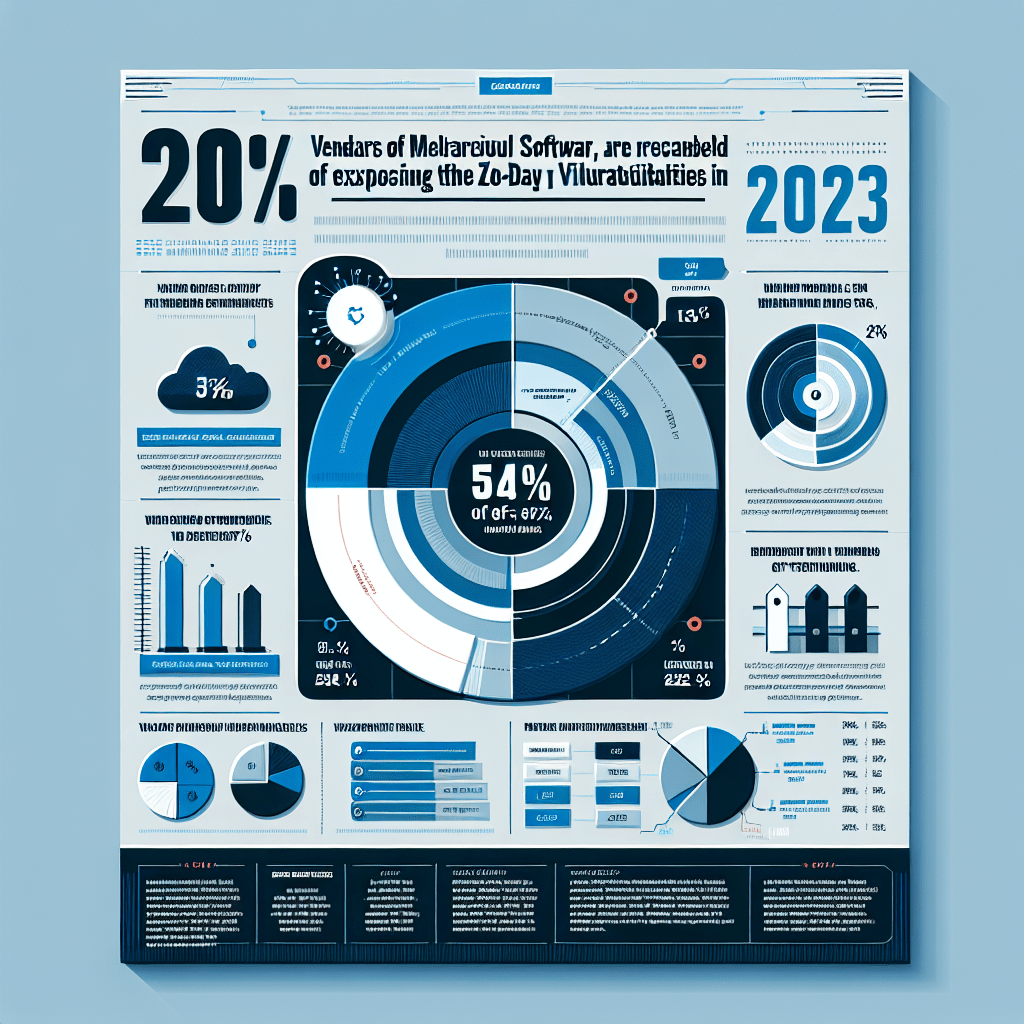
Uncovering the Pervasive Influence of Spyware Vendors on Zero-Day Exploits in 2023
The symbiotic relationship between spyware vendors and the exploitation of zero-day vulnerabilities in 2023 unveils a compelling narrative in the realm of cybersecurity. Delving into the intricate dynamics of this connection sheds light on the significant role that these vendors play in the propagation of sophisticated cyber threats and their impact on digital security landscapes.
Within the cybersecurity arena, the prevalence of zero-day exploits holds critical implications for organizations worldwide, with the potential to wreak havoc on digital infrastructures and compromise sensitive data. The involvement of spyware vendors in these exploits introduces a new dimension of risk, where malicious actors leverage undisclosed vulnerabilities to deploy advanced surveillance tools and gather intelligence through stealthy means.
The utilization of zero-day exploits by spyware vendors underscores the sophistication and agility of cyber threats in the digital age. By capitalizing on undisclosed vulnerabilities in software and systems, these vendors can infiltrate target devices, exfiltrate sensitive information, and maintain persistent access to compromised networks. The exploitation of zero-day vulnerabilities serves as a cornerstone of modern cyber espionage, enabling threat actors to conduct covert operations with impunity.
The prevalence of zero-day exploits attributed to spyware vendors in 2023 highlights the evolving landscape of cyber threats and the challenges faced by organizations in defending against sophisticated attacks. With an increasing number of vulnerabilities being weaponized by spyware vendors, the urgency for proactive cybersecurity measures and threat intelligence sharing is paramount to mitigate risks and strengthen defense postures.
The impact of zero-day exploits orchestrated by spyware vendors extends beyond individual security breaches to encompass systemic threats to digital ecosystems. The proliferation of espionage capabilities enabled by these exploits poses significant risks to national security, critical infrastructure, and privacy rights, underscoring the need for coordinated efforts to address the root causes of cyber threats and enhance cybersecurity resilience on a global scale.
In conclusion, the intersection of spyware vendors and zero-day exploits in 2023 underscores the complex interplay between cyber adversaries and digital defenses. By understanding the tactics employed by these vendors and the implications of their activities on cybersecurity landscapes, organizations can bolster their defense strategies, enhance threat detection capabilities, and collaborate with industry stakeholders to mitigate the risks posed by advanced cyber threats. The evolving threat landscape necessitates a proactive and multidimensional approach to cybersecurity to safeguard against the pervasive influence of spyware vendors and zero-day exploits in the digital realm.