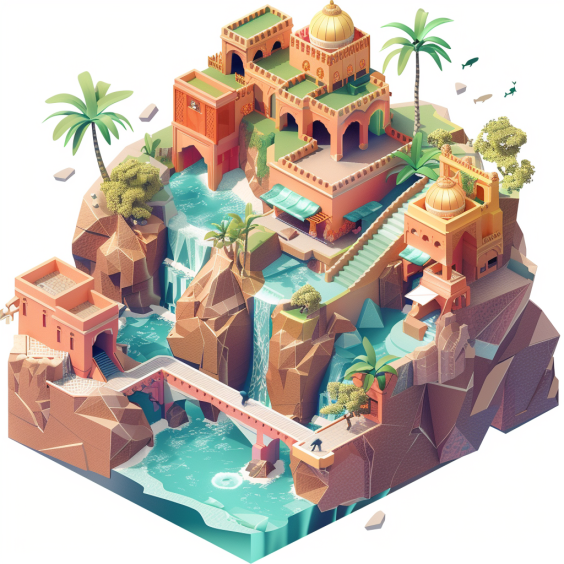
In recent years, isometric design and illustration have carved out a significant niche in the web design landscape, offering a fresh perspective that combines the appeal of 3D graphics with the simplicity of 2D. This blog post explores the rise of isometric design, its benefits, and its application in creating engaging digital experiences.
The Essence of Isometric Design
Isometric design is a method of drawing/illustrating a three-dimensional object in two dimensions. It is characterized by the use of parallel lines and no vanishing points, typically drawn at a 30-degree angle on the horizontal plane, giving viewers a unique bird’s eye view of an object or scene. Unlike traditional 3D design, isometric graphics don’t mimic real-life perspective but instead offer a stylized, geometrically perfect representation of space and form.
Why Isometric Design?
Visual Appeal: Isometric design strikes a balance between simplicity and complexity, offering a visually appealing way to showcase objects in three dimensions without overwhelming the viewer.
Clarity and Readability: By providing a clear and detailed view of objects and environments from a fixed perspective, isometric design enhances readability and understanding, making it an excellent choice for complex illustrations like maps, infographics, and technical diagrams.
Versatility: Isometric illustrations can be applied to a wide range of design projects, from web and mobile interfaces to game design and architectural visualization.
Standout Branding: Isometric design can help brands stand out by offering a distinctive visual style that differentiates them from competitors who might still be relying on flat or material design.
Applications in Web Design
Isometric design has found its place in various web design applications, from small icons and graphics to complete illustrations that tell a story or explain a concept. Here are a few ways isometric design is used in web design:
- Landing Pages: Isometric illustrations can create engaging and dynamic landing pages that draw users in and provide a memorable first impression of a brand or product.
- Infographics: The dimensional and detailed nature of isometric design makes it perfect for infographics, where complex information needs to be presented clearly and attractively.
- Icons and Graphics: Isometric icons add depth and interest to web pages and applications, making them more engaging and easier to navigate.
- Product Demonstrations: Isometric illustrations can showcase products in a detailed and explanatory way, highlighting features and benefits from an omniscient viewpoint.
Designing with Isometric Graphics
Creating isometric designs requires a keen eye for detail and a thorough understanding of geometric principles. Here are a few tips for designers looking to explore this trend:
- Maintain Consistent Angles: All elements in an isometric design should adhere to the same 30-degree angle to maintain the illusion of three-dimensionality.
- Use Shadows and Highlights: Strategic use of shadows and highlights can enhance the 3D effect, adding depth and realism to isometric illustrations.
- Color and Texture: Color and texture play critical roles in differentiating layers and elements in isometric design, helping to define spaces and objects clearly.
The Future of Isometric Design
As web design continues to evolve, isometric design is poised to remain a popular choice for designers seeking to blend creativity with clarity. Its unique ability to convey complex information in an engaging and visually appealing manner makes it a versatile tool in the designer’s toolkit.
In conclusion, isometric design and illustration offer a distinctive approach to visual storytelling on the web. By providing a fresh perspective that is both informative and aesthetically pleasing, isometric graphics represent a creative nexus between the worlds of 2D and 3D design, paving the way for innovative and immersive digital experiences.