
Website Maintenance & Hosting Tips for UK Small Businesses
For small businesses across the UK, especially here in the North East, your website is often the first impression you make. It’s your digital shop window, and just like a physical shop, it needs regular upkeep to attract and retain customers. Neglecting your website can lead to lost business, security risks, and a poor online presence. This guide provides essential tips for website maintenance and choosing the right hosting, helping you keep your website running smoothly and effectively. Yarm Firms: Boost Business with a Blog Strategy
Why Website Maintenance Matters for Your Business
Think of your website as a car. Regular servicing keeps it running smoothly, prevents breakdowns, and ensures it’s safe to drive. Website maintenance is similar, ensuring your site performs optimally and remains secure. Yarm Web Design: Case Study – Boost Your Local Cafe!
- Maintaining a professional image online: First impressions count, especially online. A well-maintained website shows you’re serious about your business.
- Boosting your website’s search engine rankings (SEO): Google loves fresh content and a healthy site. Regular updates and optimisation improve your SEO.
- Protecting your website from security threats and malware: Keep your data and your customers safe from cyber threats.
- Ensuring a smooth and user-friendly experience for your visitors: Happy customers are repeat customers. A fast, easy-to-navigate website keeps visitors engaged.
- Improving website performance and speed: No one likes a slow-loading site. Speed is crucial for user experience and SEO.
- Staying compliant with UK data protection laws (GDPR): Avoid hefty fines by ensuring your website complies with GDPR regulations.
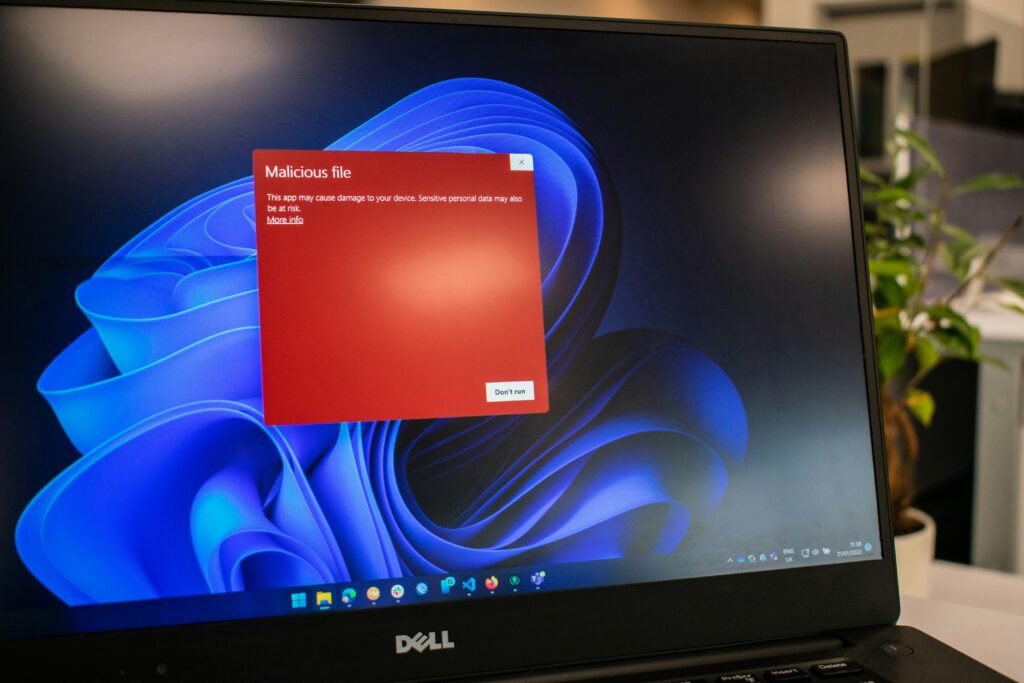 A modern laptop displaying a website’s admin panel, showing updates and security notifications. Website maintenance & hosting tips for UK small businesses
 A smartphone and tablet displaying the same website, illustrating responsive design.
Essential Website Maintenance Tasks
Website maintenance involves a range of tasks, from software updates to content reviews. Here’s a breakdown of the key areas to focus on:
- Regularly updating your website’s software: This includes WordPress, plugins, and themes. Updates fix bugs and security vulnerabilities.
- Backing up your website files and database: In case of a disaster, a recent backup can save you a lot of hassle.
- Checking for and fixing broken links: Broken links frustrate users and harm your SEO.
- Monitoring your website’s performance: Track speed, uptime, and other metrics to identify and resolve issues quickly.
- Reviewing and updating your website content: Keep your content fresh, accurate, and relevant to your audience.
- Testing your website on different devices and browsers: Ensure a consistent experience for all users, whether they’re on a desktop in Durham or a mobile in Newcastle.
- Managing user accounts and permissions: Control access to your website’s backend to protect your data.
- Cleaning up spam comments: Spam comments can damage your website’s reputation and make it look unprofessional.
Choosing the Right Website Hosting for Your Needs
Your website hosting is the foundation of your online presence. Choosing the right hosting provider is crucial for performance, reliability, and security. Think about the needs of your North East business – are you a small shop in Morpeth, or a growing company in Sunderland?
Understanding the Different Types of Hosting
There are several types of hosting to choose from, each offering different levels of performance and control:
- Shared Hosting: The most affordable option, where your website shares resources with other websites on the same server.
- VPS Hosting: A virtual private server provides more resources and control than shared hosting.
- Dedicated Hosting: You have an entire server to yourself, offering maximum performance and control.
- Cloud Hosting: Your website is hosted on a network of servers, providing scalability and reliability.
Factors to Consider When Choosing a Hosting Provider
- Reliability and uptime guarantee: Your website needs to be available to customers. Look for a provider with a high uptime guarantee (99.9% or higher).
- Storage space and bandwidth: Ensure you have enough resources for your website’s files and traffic.
- Security features: Protection against threats is essential. Look for features like firewalls, malware scanning, and DDoS protection.
- Customer support: You’ll need help eventually. Choose a provider with responsive and knowledgeable customer support.
- Scalability: Can your hosting grow with your business?
- Price: Balance cost with features and performance.
- UK-based servers: Potentially better performance for UK visitors and SEO benefits. Having servers closer to home can improve loading speeds for your customers in the North East.
Research and compare different hosting providers. Read reviews and ask for recommendations from other businesses in the area.
 A server room with blinking lights, representing data storage and hosting infrastructure.
Saving Money on Website Maintenance and Hosting
Managing a website can be costly, but there are ways to save money without compromising quality.
- Consider using a managed WordPress hosting provider: They handle many maintenance tasks for you.
- Take advantage of free website speed testing tools: Identify areas for improvement without spending a penny.
- Learn basic website maintenance skills yourself: Reduce reliance on expensive developers for simple tasks.
- Negotiate with your hosting provider: You might be able to get a better deal, especially if you’ve been a loyal customer.
- Use free or low-cost website security plugins: Protect your website on a budget.
- Regularly review your hosting plan: Ensure you’re not paying for resources you don’t need.
Common Website Maintenance Mistakes to Avoid
Avoiding these common mistakes can save you time, money, and headaches.
- Ignoring website updates: Leaving your website vulnerable to security threats.
- Not backing up your website regularly: Losing valuable data in case of disaster.
- Neglecting website security: Putting your website and your customers at risk.
- Overlooking website performance: Providing a poor user experience.
- Failing to test your website on different devices: Alienating mobile users.
- Ignoring website analytics: Missing opportunities to improve your website.
Frequently Asked Questions
Here are some frequently asked questions about website maintenance and hosting:
How often should I update my website?
At least monthly, but ideally more frequently for security updates. Think of it like patching potholes on the A1 – regular maintenance keeps everything running smoothly.
What is website uptime and why is it important?
Uptime is the percentage of time your website is available. Aim for 99.9% or higher. If your website is down, customers can’t find you!
How do I back up my website?
Most hosting providers offer backup solutions. You can also use a plugin. Backups are like having a spare set of keys – essential if you lock yourself out.
Ready to take control of your website’s health and performance? Contact us today for a free consultation!