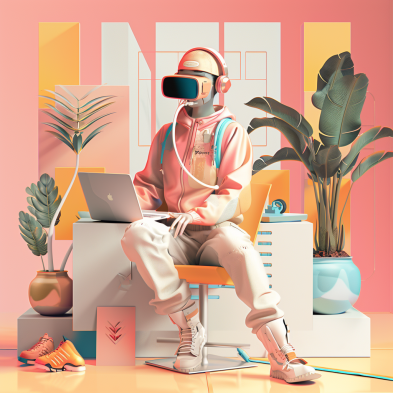
In the ever-evolving world of web design, trends come and go, but some, like skeuomorphism, make a remarkable comeback, redefining user experiences and aesthetic norms. Skeuomorphism, a design concept that mimics real-world counterparts to make digital interfaces more familiar and intuitive, is witnessing a resurgence in popularity. This blog post delves into the renewed interest in skeuomorphism, exploring its origins, evolution, and implications for the future of web design.
Understanding Skeuomorphism
Skeuomorphism is a design approach that incorporates elements in digital interfaces that mimic their real-world counterparts in both appearance and functionality. This design philosophy aims to leverage users’ pre-existing knowledge of objects by replicating physical cues in the digital environment, thereby making interfaces more intuitive and easier to navigate. The concept is not new; it has been a cornerstone in the early days of digital design, helping bridge the gap between physical and digital experiences.
The Skeuomorphic Design Revival
After a period of minimalism and flat design dominating the web, skeuomorphism is making a strong comeback, but with a modern twist. The revival can be attributed to advancements in technology and a greater emphasis on creating more tactile and engaging user experiences. The renewed interest in skeuomorphism is also a response to the over-digitization of our lives, offering a sense of comfort and familiarity in an increasingly virtual world.
Why Skeuomorphism Now?
The resurgence of skeuomorphism in web design is timely. As our daily interactions become more digitized, there’s a growing desire for digital experiences that feel more human and relatable. Skeuomorphic designs can evoke emotions and create a sense of nostalgia, making digital platforms more engaging and personal. Moreover, with the rise of virtual and augmented reality, skeuomorphism provides a framework for designing interfaces that feel grounded in reality, enhancing the immersive experience.
Benefits of Skeuomorphic Design
- Intuitive User Interfaces: By mimicking the physical world, skeuomorphic designs can make digital environments more intuitive and easier to navigate for users, reducing the learning curve for new applications.
- Enhanced User Engagement: The detailed and realistic design elements can enhance user engagement by creating a more visually appealing and emotionally resonant experience.
- Accessibility: Skeuomorphism can improve accessibility by using familiar cues that help users understand how to interact with digital interfaces, benefiting those who may not be as tech-savvy.
Challenges and Considerations
While skeuomorphism offers numerous benefits, it’s not without its challenges. Designers must carefully balance realism with functionality to ensure that skeuomorphic elements do not clutter the interface or hinder usability. Additionally, the approach requires a careful consideration of context and audience, as overly nostalgic or complex designs may not resonate with all users.
Future of Skeuomorphism in Web Design
As we move forward, skeuomorphism is likely to coexist with other design philosophies, such as minimalism and material design, offering designers a broader toolkit for creating diverse and inclusive digital experiences. The future of skeuomorphism in web design is not about reverting to past styles but rather integrating the best aspects of realistic design with modern aesthetics and technology.
In conclusion, the resurgence of skeuomorphism in web design marks an exciting phase in the digital design landscape. By blending the familiar with the innovative, skeuomorphic design has the potential to create more intuitive, engaging, and emotionally resonant digital experiences. As technology continues to evolve, the principles of skeuomorphism will undoubtedly play a pivotal role in shaping the future of web design, making digital spaces more accessible, relatable, and human.